Common Causes of Settling in Commercial Concrete Slabs
People seeking concrete slab mudjacking often want to lift and stabilize settled slabs caused by soil shifting or erosion, and local contractors can effectively restore your concrete’s levelness.
Understanding the common causes of settling in commercial concrete slabs is essential for property owners looking to maintain the safety, functionality, and appearance of their outdoor spaces. Settling can lead to uneven surfaces, cracks, and structural concerns that may affect daily operations or pose safety risks. Property owners in the area often explore this topic to identify underlying issues early and determine whether repairs, such as mudjacking, might be a practical solution. Local contractors who specialize in concrete slab leveling can assess these causes firsthand, helping to restore stability and prevent further damage.
Many factors contribute to the settling of commercial concrete slabs, including soil movement, poor initial compaction, and changes in moisture levels beneath the surface. These issues are common in the region and can be addressed effectively by experienced service providers. By understanding the root causes, property owners can make informed decisions about repairs and maintenance. Local pros who offer concrete slab mudjacking services have the expertise to correct uneven slabs, providing a reliable way to restore evenness and extend the lifespan of the concrete. Keep reading to learn more about how these causes develop and how local contractors can help keep your property safe and functional.
- Commercial parking lot slabs - when uneven settling causes trip hazards or drainage issues, local contractors can perform mudjacking to restore level surfaces.
- Loading dock areas - uneven concrete due to soil movement may require mudjacking to prevent equipment damage and improve safety, with local service providers addressing the problem.
- Building foundation slabs - signs of settlement beneath commercial structures often lead property owners to seek mudjacking solutions from experienced local contractors.
- Sidewalks and walkways - when cracks and unevenness develop from soil shifting, local pros use mudjacking to lift and stabilize these concrete surfaces.
- Drive-thru lanes - settling caused by poor soil compaction can be corrected with mudjacking, helping local service providers restore proper alignment and safety.
Understanding the common causes of settling in commercial concrete slabs is essential for property owners and managers who notice unevenness or cracks in their outdoor or indoor surfaces. When searching for this topic, many are trying to identify why their concrete slabs are shifting or sinking, often to determine if repairs are needed or to prevent further damage. Settling can lead to safety hazards, drainage problems, or an unsightly appearance, making it important to understand what factors contribute to these issues. This knowledge helps property owners plan appropriate solutions, such as mudjacking or slab leveling, which local service providers can perform to restore stability and safety.
The problems related to settling often involve structural and environmental factors that compromise the integrity of the concrete. For example, poor soil compaction before the slab was poured can cause uneven support, leading to sinking over time. Excess moisture or poor drainage around the property can wash away or weaken the soil beneath the slab, accelerating settling. Additionally, expansive soils that swell and shrink with moisture levels can exert pressure on the concrete, resulting in cracks or uneven surfaces. These issues are common in commercial properties with large outdoor areas, parking lots, or loading docks, where heavy traffic and environmental exposure increase the likelihood of settling problems.
Properties most affected by settling in commercial concrete slabs typically include parking lots, walkways, loading zones, and foundation pads. These surfaces endure significant weight and frequent use, which can exacerbate underlying soil issues. Commercial properties situated on clay, silt, or other expansive soils are particularly prone to shifting and sinking. Furthermore, areas with poor drainage or those located in regions with high moisture levels face a higher risk of soil erosion or weakening beneath the slab. Recognizing these property types and environmental conditions helps property owners understand when to seek professional assessment and repair services, such as mudjacking, to correct unevenness and prevent further damage.
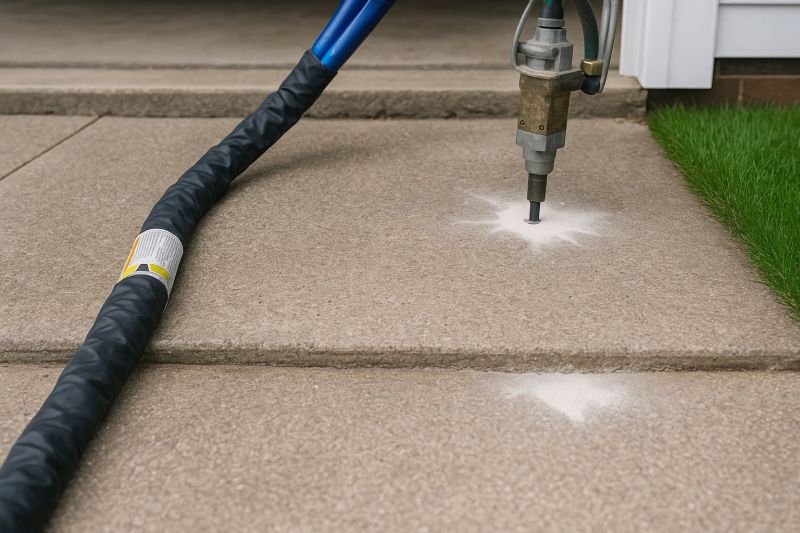
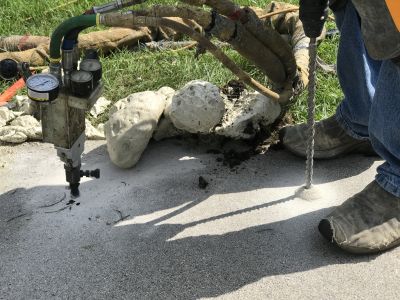
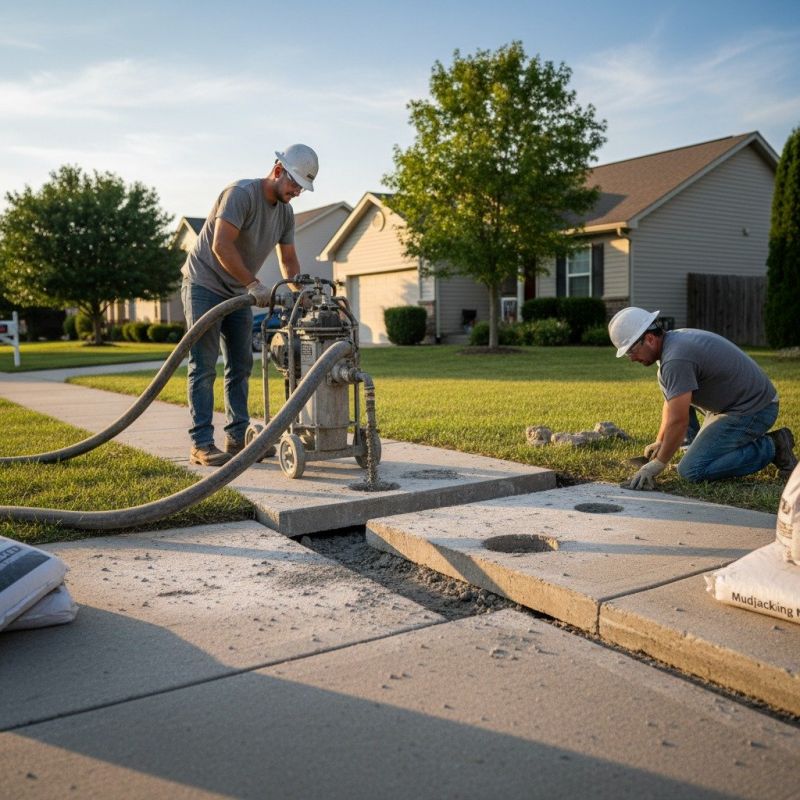
Local contractors specializing in slab leveling and mudjacking play a crucial role in addressing these common causes of settling. When property owners notice signs of uneven or sinking concrete, experienced service providers can evaluate the underlying issues and determine the best course of action. Mudjacking involves injecting a specialized mixture beneath the slab to lift and stabilize it, effectively counteracting the effects of soil movement or erosion. By working with local pros who understand the specific soil conditions and construction challenges in the area, property owners can restore the safety, appearance, and functionality of their concrete surfaces. Proper assessment and timely repair can help prevent more extensive damage and prolong the lifespan of commercial concrete slabs.
Foundation Repair Projects - These projects often involve assessing soil stability and addressing settling issues, similar to diagnosing causes of settling in commercial concrete slabs.
Pavement Lifting and Leveling - Local contractors use similar techniques and tools to lift and level uneven surfaces caused by soil movement, paralleling mudjacking services for concrete slabs.
Driveway and Walkway Resurfacing - Repairing uneven or cracked surfaces requires understanding soil conditions and structural support, aligning with common causes of settling in slabs.
Commercial Flooring Installation - Proper planning and soil preparation are essential to prevent uneven settling, making these projects related in skills and approach.
Soil Stabilization Services - These involve modifying soil properties to prevent settling, directly connected to addressing underlying causes of concrete slab settling.
Structural Reinforcement Projects - Reinforcing foundations or slabs to prevent future settling involves similar assessments and techniques used in mudjacking work.
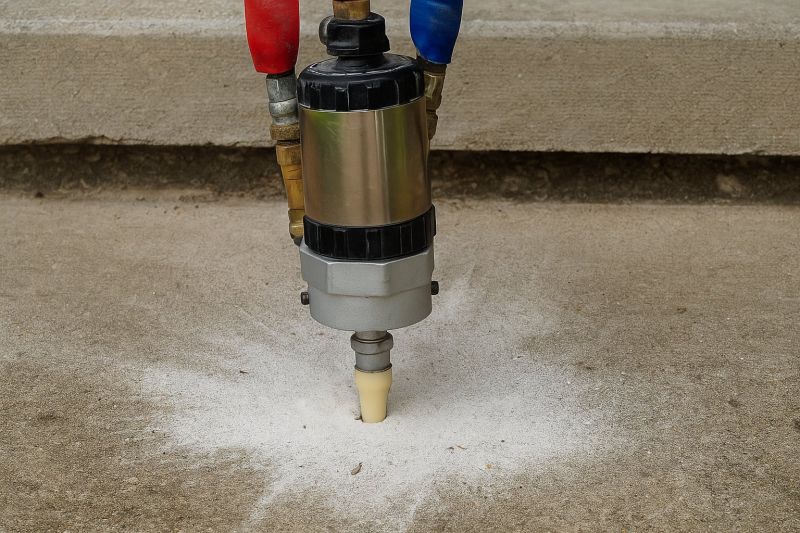
When comparing local contractors for concrete slab mudjacking, it is important to consider their experience with similar projects. Homeowners should inquire about how many times the contractor has handled concrete slabs with issues related to settling, especially in commercial settings where the size and load requirements can vary significantly. An experienced service provider will have a clearer understanding of the common causes of settling in commercial concrete slabs and how to address them effectively, which can help ensure the repair work is performed properly the first time.
Clear, written expectations are essential when evaluating potential contractors. Homeowners should seek detailed explanations of the scope of work, including what the mudjacking process involves, what materials will be used, and what the anticipated outcomes are. Having this information documented can help prevent misunderstandings and ensure that both parties are aligned on project goals. Additionally, understanding the contractor’s approach to addressing underlying causes of settling, such as soil instability or improper compaction, can provide confidence that the repairs will be durable.
Reputable references and good communication are key factors in selecting a service provider. Homeowners should ask for references from past clients who had similar work done, particularly in commercial settings, to gauge the quality of the contractor’s work and their professionalism. A contractor who maintains open lines of communication and responds clearly to questions demonstrates a commitment to transparency and customer service. These qualities can make the process of diagnosing and repairing settling issues smoother and more predictable, ultimately leading to a more satisfactory outcome.
Property owners often search for common causes of settling in commercial concrete slabs when they are planning practical projects around their homes and businesses. Local pros provide Concrete Slab Mudjacking services for everyday jobs and straightforward project options.
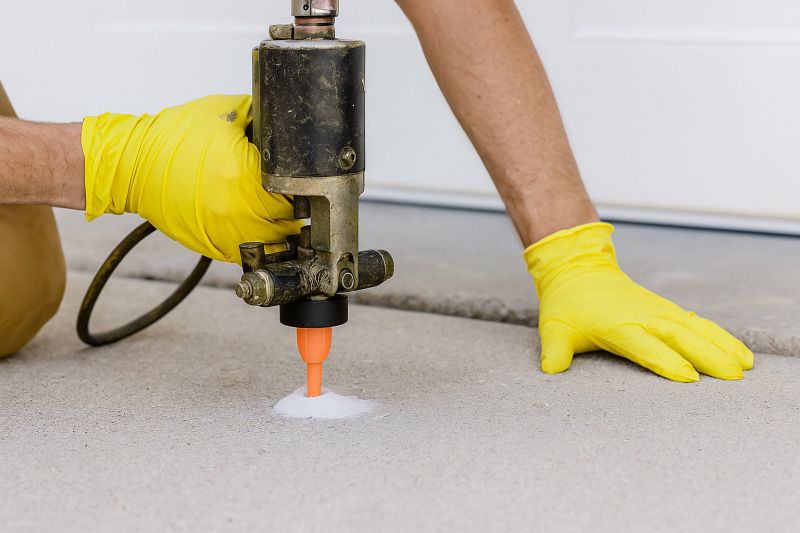
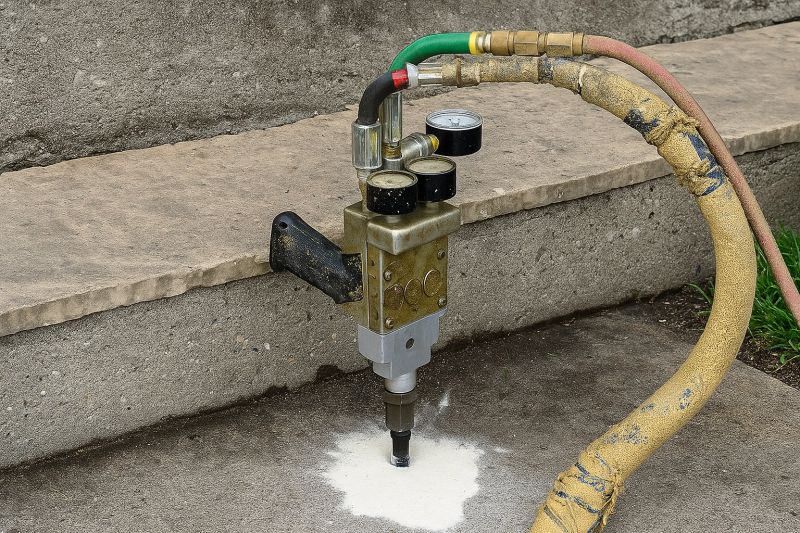
Understanding the common causes of settling in commercial concrete slabs can help property owners identify potential issues early on. One frequent reason for uneven settling is improper soil preparation before the slab was poured, such as inadequate compaction or using unstable fill material. Additionally, changes in the moisture levels of the soil beneath the slab-whether from drought, heavy rainfall, or poor drainage-can lead to shifting and sinking over time. These everyday project situations are often why commercial slabs develop unevenness, making it important to work with experienced local contractors who can assess the situation accurately.
When settling occurs, many property owners consider concrete slab mudjacking as a practical solution. Local service providers are equipped to evaluate the root causes of the problem and determine if mudjacking can effectively restore the slab’s stability. This process can help lift and level uneven concrete, addressing issues caused by soil movement or poor initial construction. Connecting with local pros ensures that the repairs are tailored to the specific conditions of the site, helping to maintain the safety and functionality of commercial spaces.
What are common causes of settling in commercial concrete slabs? Common causes include soil shrinkage, improper compaction during installation, and erosion beneath the slab, which can lead to uneven settling over time.
How does soil type affect concrete slab settling? Soil types like clay or loose fill are more prone to shifting and settling, especially if not properly prepared or stabilized before pouring the concrete.
Can poor drainage contribute to settling issues? Yes, inadequate drainage can cause water to accumulate beneath the slab, weakening the soil and leading to uneven settling or sinking of the concrete.
What role does improper subgrade preparation play in slab settling? An improperly prepared or compacted subgrade can fail to support the weight of the concrete, resulting in uneven settling and potential cracks or uneven surfaces.
How can local contractors help address settling in commercial concrete slabs? Skilled service providers can assess the underlying causes of settling and perform mudjacking or other stabilization methods to restore levelness and prevent further issues.
Soil instability - understanding how soil conditions beneath the slab can shift helps property owners plan for proper foundation support and seek mudjacking services when settling occurs.
Poor drainage - managing surface water flow around the property can prevent erosion and reduce the risk of uneven settling, making drainage improvements a practical step.
Inadequate subgrade preparation - ensuring proper soil compaction before pouring concrete can minimize future settling, prompting property owners to work with local contractors for thorough groundwork.
Frost heave - recognizing seasonal soil expansion helps property owners schedule repairs before damage worsens, with local pros providing stabilization solutions like mudjacking.
If you are thinking about common causes of settling in commercial concrete slabs for a property, this guide is meant to help you understand this topic, the typical project types, and how different options might fit your plans.
When you are ready, you can use the quote form on this page to share a few details about your project. From there, local pros can review the basics and follow up with options that match what you have in mind.